
 Available in US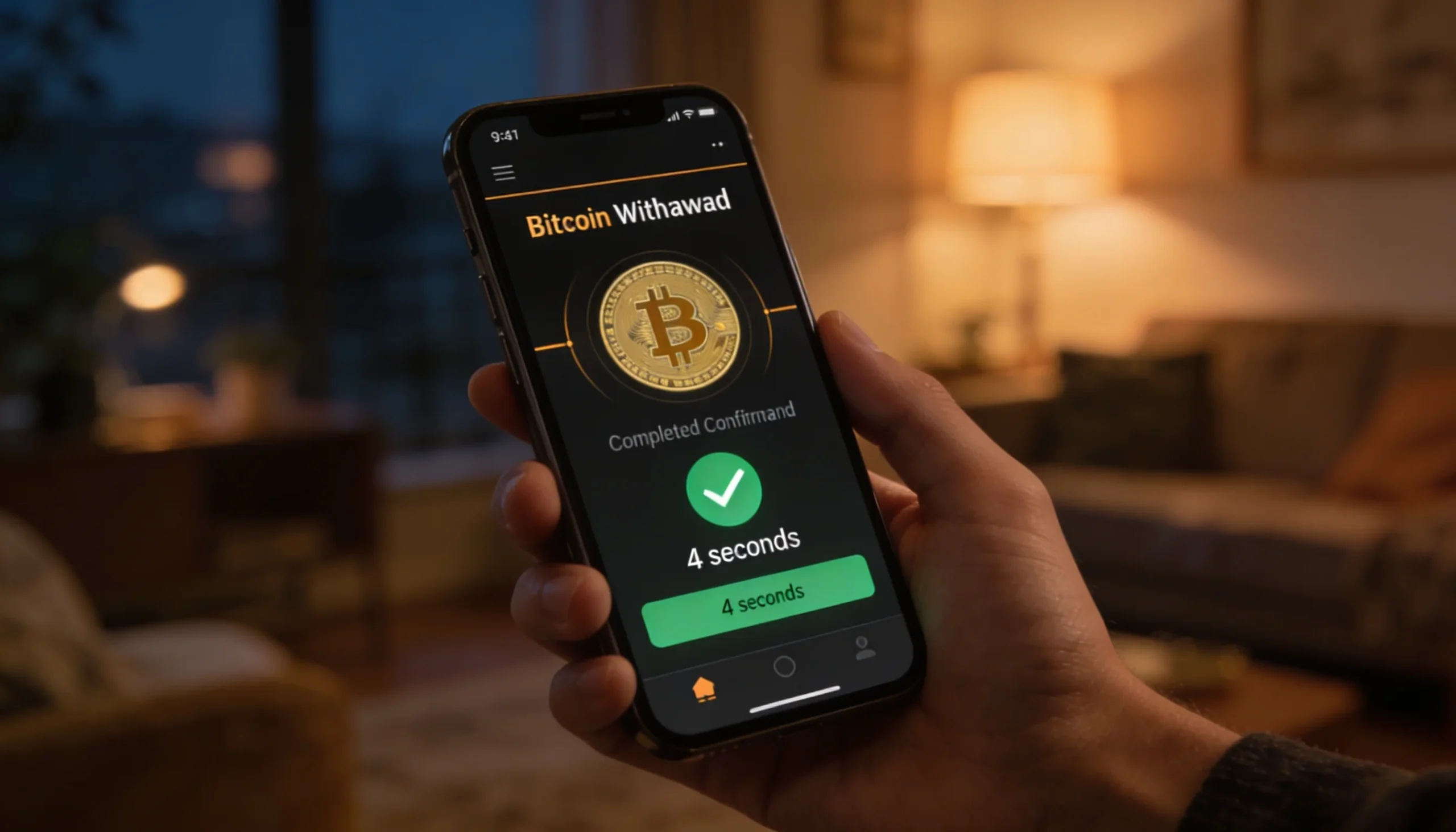
I once waited eleven days for a bank transfer withdrawal from a traditional sportsbook. Eleven days. The bet settled on a Tuesday, the withdrawal request went in Wednesday morning, and the money did not hit my account until the following Saturday week. That experience is what pushed me toward crypto sportsbook fast withdrawals in the first place — and after testing dozens of payouts across multiple networks, I can quantify exactly how much faster crypto is. Tether alone processed more than $10 trillion in transactions in 2024, rivalling Visa’s annual volume. The crypto payment infrastructure is not experimental anymore — it is industrial-scale — and for baseball bettors, the withdrawal experience is where that scale matters most.
Network Performance: Comparing BTC, ETH, and USDT Payout Speeds
Last summer I ran a structured test: I requested identical withdrawal amounts from the same sportsbook across four different networks on the same day, at the same time, and timed each one from the moment I hit “confirm” to the moment the funds appeared in my personal wallet. The results were dramatic.
Lightning Network was the fastest by a wide margin. The withdrawal confirmed in under four seconds. No exaggeration — I clocked it with a stopwatch. The Lightning Network processes more than 8 million transactions per month, and the routing infrastructure has matured to the point where sub-second settlements are routine for amounts under 0.05 BTC.
USDT on the TRC-20 network came in second. The withdrawal arrived in roughly 45 seconds. Tron’s block time is three seconds, and most sportsbooks process TRC-20 withdrawals with minimal manual review, which keeps the end-to-end time under a minute. USDT on ERC-20 was significantly slower — about twelve minutes — because Ethereum’s block time is longer and gas fees incentivise the sportsbook to batch multiple withdrawals into a single transaction during off-peak hours.
On-chain BTC took forty-three minutes. The sportsbook set the transaction fee at a mid-priority level, which meant waiting for two confirmations before the funds were spendable. During periods of high network congestion — after a major bitcoin price move, for example — on-chain withdrawals can stretch to several hours.
For comparison, I also had a pending bank transfer withdrawal from the same sportsbook at the time. It arrived three business days later.
Fee Structures: What Each Network Costs You
Speed without considering cost gives an incomplete picture. Lightning Network withdrawals cost fractions of a penny — typically 1 to 5 satoshis in routing fees, which at current prices amounts to well under £0.01. TRC-20 USDT withdrawals cost roughly £0.10 to £0.30 in network fees, though some sportsbooks absorb this cost entirely. ERC-20 withdrawals are the most expensive, ranging from £2 to £15 depending on Ethereum gas prices at the time of processing.
On-chain BTC fees sit in the middle: typically £1 to £5 for a standard transaction, but spiking to £10 or more during mempool congestion events. The sportsbook usually sets the fee level, and most default to a mid-priority setting that balances speed against cost. A few platforms let you choose your own fee priority — a useful feature if you are not in a rush and want to minimise costs.
The fee structure creates a clear hierarchy for MLB bettors managing regular withdrawals. If your sportsbook supports Lightning Network, that is the optimal choice for both speed and cost. TRC-20 USDT is the next best option. On-chain BTC is adequate for less frequent, larger withdrawals where the fixed fee is proportionally small. ERC-20 withdrawals should be avoided unless Ethereum is the only supported network — the gas cost eats into your profits, particularly on smaller payouts from prop bets or single-game wagers.
Best Practices for Faster Crypto Withdrawals
Dominic Sawyer, who leads growth at payment infrastructure firm Tequity and founded iGamingCrypto.io, has observed that growing demand for crypto payments comes from how well the rails work. That is true in aggregate, but individual withdrawal experiences still vary based on how you set up your accounts and manage the process.
The single most impactful practice is completing any optional verification before you need to withdraw. Some sportsbooks that advertise “no KYC” still have internal thresholds that trigger manual review. If you deposit and bet for weeks before requesting your first withdrawal, the platform may pause your payout while it assesses your account. Placing a small test withdrawal immediately after your first deposit — even for a trivial amount — establishes a withdrawal history and flags any issues before your real profits are at stake.
Second, choose your withdrawal network at deposit time, not at withdrawal time. If you deposited via Lightning but try to withdraw on-chain, the sportsbook may impose additional processing steps. Keeping deposit and withdrawal networks consistent simplifies the internal routing and usually results in faster processing.
Third, time your withdrawals. Most sportsbooks batch their manual review queue during business hours in their operating time zone. A withdrawal request submitted at 3 a.m. Curacao time will sit in the queue until morning. If your sportsbook operates from the Caribbean, submitting your request during their afternoon — early evening UK time — tends to get faster processing.
Weekend Withdrawals: Where Crypto Beats Bank Transfers
This is the practical scenario where crypto’s advantage is most tangible for UK baseball bettors. MLB games run Thursday through Sunday every week during the season, with the heaviest slate on weekends. If you win a Saturday parlay and want to withdraw your profits, a traditional bank transfer will not process until Monday at the earliest — and may not arrive until Wednesday or Thursday.
Crypto does not care about banking hours, holidays or weekends. The blockchain processes transactions continuously, and Lightning Network confirmations happen in seconds regardless of whether it is Saturday night or Tuesday afternoon. For a bettor whose MLB activity concentrates on weekends, this means access to profits within minutes rather than days — and the ability to reinvest those profits in Sunday’s games if you choose to.
One scenario I encounter regularly: a Friday night MLB bet pays out, and I want to use a portion of the winnings to back a different game on Saturday. With bank withdrawals, this is impossible without maintaining a separate float on the platform. With Lightning, I can withdraw Friday night’s profits to my personal wallet, assess Saturday’s card with a clear head, and redeposit only what I am willing to risk — all within the time it takes to review the starting pitchers.
Articles
Written by the editors at baseballbetb.
