
 Available in US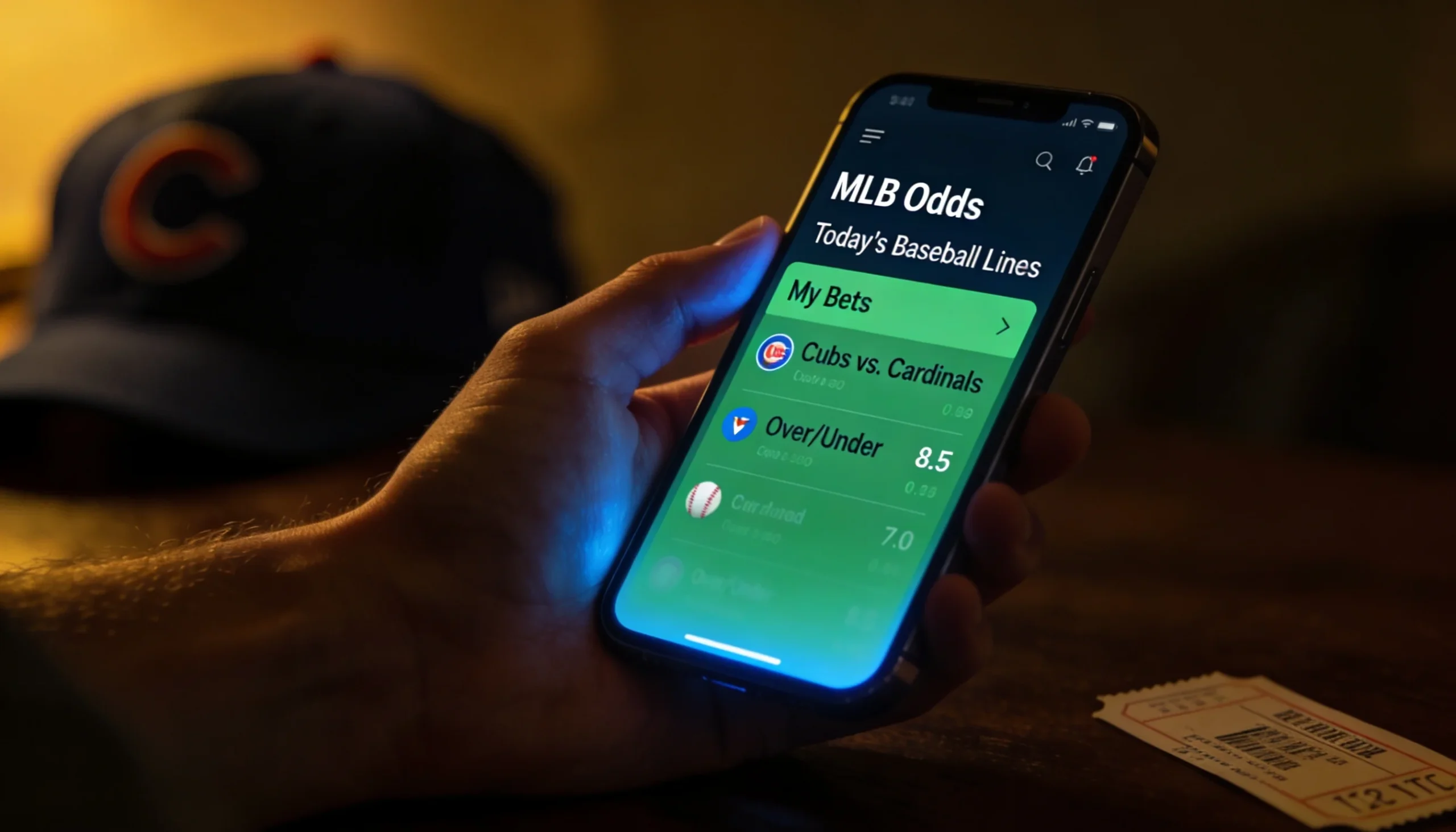
I placed a live moneyline bet on my phone during a rain delay at Lord’s — not on cricket, on an MLB game three thousand miles away. That moment captured everything about crypto sportsbook mobile baseball betting in 2026: the entire workflow, from opening the app to confirming the wager, took eleven seconds. Mobile devices now generate 80% of all sports bets placed globally, and for MLB bettors using bitcoin, the mobile experience is not a secondary consideration — it is the primary interface through which most of your action flows.
This article evaluates the mobile landscape for crypto baseball betting: native apps versus mobile browsers, live bet placement speed on different platforms, and how biometric security and wallet integration shape the experience on iOS and Android.
Mobile Platforms: Evaluating Native Apps against Browser Betting
The first thing most UK bettors discover when looking for a crypto sportsbook app is that the App Store and Google Play do not carry them. Apple and Google restrict real-money gambling apps to operators licensed in the user’s jurisdiction, and offshore crypto sportsbooks do not hold UKGC licences. This means no native iOS or Android app from the App Store for most crypto platforms.
What you get instead falls into two categories. The better crypto sportsbooks offer progressive web apps — mobile-optimised websites that you can “install” to your home screen. A well-built PWA loads instantly, runs full-screen without browser chrome, caches data for faster navigation, and pushes notifications for line movements or settled bets. The experience is nearly indistinguishable from a native app, and for baseball betting specifically, a good PWA handles the rapid pace of live MLB markets without lag.
The weaker platforms offer nothing more than their desktop site scaled down to a mobile viewport. Navigation is clunky, buttons are too small, the bet slip requires excessive scrolling, and the odds display is cramped. For pre-game moneyline bets, this is tolerable. For live baseball betting during the seventh inning of a tight game, it is functionally unusable — the three extra seconds needed to navigate a poorly optimised interface can mean the difference between catching a line and missing it entirely.
A small number of crypto sportsbooks distribute native apps through direct APK downloads (Android) or enterprise certificate installation (iOS). These work well when they work, but they carry additional security considerations: you are sideloading software from an unverified source, which introduces risks that App Store distribution would mitigate. I only install direct-download apps from sportsbooks I have used extensively on desktop and trust with my credentials.
Live Bet Placement Speed on Mobile Crypto Platforms
Live betting accounts for 53.4% of all global wagering activity, and on mobile that proportion is likely higher — the device is always in your hand, and MLB’s nine-inning structure creates natural betting windows throughout every game. Speed of bet placement is not a luxury on mobile; it is the core requirement.
I tested live bet placement on five crypto sportsbooks during a week of MLB games, measuring the time from tapping a live odds button to receiving bet confirmation. The best platform confirmed in 1.8 seconds. The worst took 6.4 seconds, which included a “confirming odds” spinner while the platform verified the line had not moved. The average was 3.2 seconds — fast enough for most in-play situations but not for the split-second opportunities that arise during pitching changes or replay reviews.
Two factors determine mobile bet speed: the platform’s server-side processing and the mobile client’s rendering performance. Server-side delays happen when the sportsbook re-validates the odds between your tap and the confirmation — a safeguard against stale-line exploitation that also slows down legitimate bets. Client-side delays happen when the mobile interface is bloated with unnecessary animations, slow-loading images or excessive JavaScript. The best mobile experiences minimise both: rapid server-side validation with lightweight client rendering.
One practical tip: close other apps and browser tabs before a live betting session. Mobile devices allocate memory and processing power across all running applications, and a phone struggling under the weight of fifteen open tabs will render the sportsbook’s live odds more slowly than one with a clean session.
Biometric Login and Mobile Wallet Integration
Tim Miller, the UKGC’s executive director, has spoken about innovation as a central consumer protection tool. On the mobile UX front, biometric login is the clearest example of innovation that simultaneously improves security and convenience. Face ID on iPhone and fingerprint authentication on Android eliminate the need to type a password every time you open your sportsbook app, which matters when you are trying to place a bet quickly during a live game.
Most crypto sportsbooks that offer a PWA or native app support biometric login as a settings option. The setup takes thirty seconds: enable biometrics in the app’s security menu, authenticate once with your face or fingerprint, and subsequent logins happen without typing. Combined with app-level 2FA via an authenticator, biometric login provides strong security without the friction that discourages frequent use.
Mobile wallet integration is the next frontier. Some sportsbooks now support direct QR code scanning for Lightning Network deposits — you open your Lightning wallet app, scan the deposit invoice displayed on the sportsbook, and funds arrive in your betting balance within seconds. The entire deposit flow happens natively on your phone, without switching to a desktop browser or copying wallet addresses manually. For a bettor topping up their balance between innings of an MLB game, this seamless mobile deposit experience is the difference between catching the next live line and watching it expire while fumbling with a browser tab.
Battery life is a mundane but real consideration. A three-hour MLB game with the sportsbook app active, live odds streaming and occasional Lightning wallet interactions will drain a modern smartphone’s battery by 30–40%. If you are betting multiple games in an evening session, keeping a charger nearby is not optional — discovering your phone is dead in the eighth inning of a close game you have money on is a uniquely frustrating experience I recommend avoiding.
Articles
Published by the baseballbetb team.
